1. Introduction: Can You Really Improve Your CIBIL Score in 30 Days?
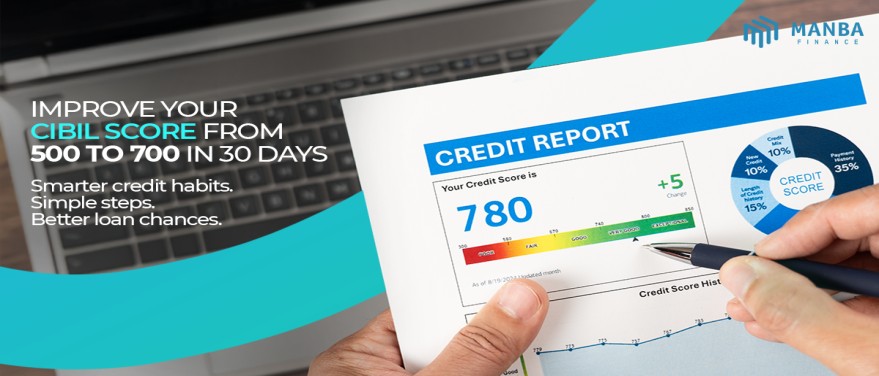
Improving a CIBIL score from 500 to 700 within 30 days is a lofty goal that may seem ambitious to most of us. Credit scores are a reflection of one’s long-term financial behavior, not sudden, drastic changes. However, if corrective steps are taken at the right time, one can see a definite and realistic improvement within 30 days.
A seemingly minor 30 to 80 point increase in your CIBIL score can make a genuine difference. It helps to:
- Enhance your loan eligibility.
- Reduce rejection risks to an extent.
- Improve loan approval chances.
- Allow access to superior loan structures.
There is a popular misconception that lending agencies focus merely on numbers. However, the truth is that payment patterns, financial discipline and behavioural enhancement play decisive roles too. That’s why it is possible to increase loan opportunities through small yet critical steps that show financial discipline.
A borrower’s profile does not remain the same throughout the years; it evolves, and leading financial institutions like Manba Finance understand this quite well. Maturity lies in knowing that one can make remarkable recoveries during one’s financial journey, and it makes more sense not to dwell much on a borrower’s past mistakes.
2. What a 500 CIBIL Score Means for Borrowers
A CIBIL score of around 500 is termed high-risk by most lending institutions. However, this isn’t the end of the world, where you may never be eligible for a loan. It means that your credit history is unstable, and lenders look at it as inconsistent. Let us explore the common causes of instability in credit history:
- Overdue payments or missed EMIs
- Uncleared outstanding balances on multiple credit cards
- Overshooting credit limits regularly
- Irregular payment patterns
- Written-off or settled accounts
- New Credit history
A poor CIBIL score is not a reflection of your personal worth. It reflects trust gaps more than anything else. Credit scoring systems are designed to respond to consistency since they are behavioural tools, and do not consider your profession or income levels.
Avoidance isn’t the solution- Structured corrective action is!
3. First Step: Check Your Credit Report for Errors
It is necessary to fix data errors before changing financial behaviour. Most borrowers have low CIBIL scores, not because of financial negligence, but due to improper reporting.
The following points should be actively verified:
- Submission of incorrect personal details
- Wrong outstanding balances on credit cards
- Closed savings or current accounts that still reflect as active
- Duplicate loans are showing in your name.
- Payments are made on time, yet are reflected as late payments.
The above points are extremely important because correcting these points can lead to quicker improvement of CIBIL scores than behaviour changes only.
Action Tip: Point out disputes immediately corrections can trigger faster score movement.
4. Reduce Credit Utilization Immediately
Credit utilization is one of the most critical factors influencing your CIBIL scores. It is the actual percentage of the total available credit that you are currently using. If this percentage is high, lenders perceive it as constant dependency on credit and financial pressure, which leads to borrowing of funds. On the other hand, it is a reflection of responsible money management, financial discipline and stability.
Simply put, it is always about how much credit you need and never about how much credit you have!
Let us look at an example to understand this:
- If you have a credit limit of Rs 100000 and usage of Rs 85000, it represents high-risk borrowing behaviour.
- If you have a credit limit of Rs 100000 and usage of Rs 30000, it showcases a financially stable credit profile.
From a lender’s view, the borrower who utilizes the maximum available credit limit is most vulnerable to default risk, financial stress and income fluctuations. On the other hand, a borrower with low utilization represents financial maturity, self-control and planning.
How High Utilization Of Credit Can Hurt Your Score
High credit utilization sends multiple negative signals:
- Shows reliance on credit for day-to-day expenses
- Indicates poor cash flow management
- Reflects limited financial buffers
- Enhances perceived nonpayment risks
Powerful Tips to enhance utilization:
- Make partial payments at regular intervals instead of waiting for the entire bill cycle.
- Avoid exhausting your credit limits entirely.
- Divide your spending across accounts in a responsible manner.
- Reduce revolving balances regularly.
Even small reductions in balances can have a positive impact on your credit profile within one billing cycle, making it one of the quickest ways to show financial improvement.
5. Never Miss a Payment Again
While improving your CIBIL score, nothing is more crucial than your payment history. It directly reflects your reliability as a borrower and hence, is one of the strongest scoring factors. Lenders are interested in knowing the answer to one question: Will this borrower repay on time? Your repayment behaviour is the answer to that.
How To Ensure You Never Miss A Payment
1. Set up Auto debit instructions: Automating credit card payments and EMIs reduces the possibility of forgetting to pay on time and eliminates human error. To ensure payments are debited on or before the due date, make sure of the following:
- There is sufficient balance in the linked account.
- You are aware of debit dates.
- You receive alerts when payment is debited.
2. Set up multiple payment reminders: Though you may have set up auto-debit, payment reminders act as a backup in case there is a glitch from your bank’s end. Calendar alerts, bank notifications and email reminders are helpful. Be proactive instead of reacting after a payment delay.
3. Pay more than the minimum due amount: While managing credit card balances, paying the minimum due adds to your interest burden and doesn’t reduce your actual debt. You can reduce overall risk and show repayment intent to your lender by paying the total payment due or at least more than the minimum due amount.
Repayment discipline is the basis of credit rebuilding and makes your profile attractive to lenders.
6. Avoid Applying for Multiple Loans or Credit Cards
While enhancing your CIBIL score, most borrowers make the cardinal mistake of applying for Multiple credit cards or loans in the span of a few months. Remember, a lender makes a hard inquiry when you apply for credit, which is recorded, and other lenders can view it too. Although a single enquiry has less impact, multiple enquiries made within a short time period send negative signals.
Hard enquiries generated due to frequent applications are seen as a sign of constant borrowing need or financial stress. This credit hunger is a red flag for lenders and can lead to lower CIBIL scores and subsequently loan rejections. The system interprets behaviour patterns, not intent, even if you merely intend to compare options.
It makes a lot of sense to apply for loans when you absolutely need funds for emergencies. Even when you apply, make sure you choose the right lender. Responsible financial institutions like Manba Finance can prove to be a good selection since they do not rely solely on rigid scores and evaluate the borrower’s financial journey as a whole.
7. Keep Old Credit Accounts Active
A longer credit history is a sure-fire way to enhance your credibility. Old credit accounts are a representation of stability, longevity of relationship and show the trust that lenders have in you. Most financial experts recommend not closing your old credit accounts, as this reduces your credit age. It also has a significant impact on your profile depth and trust. It is best to close accounts when absolutely necessary; otherwise, keep them active to give your credit score a boost.
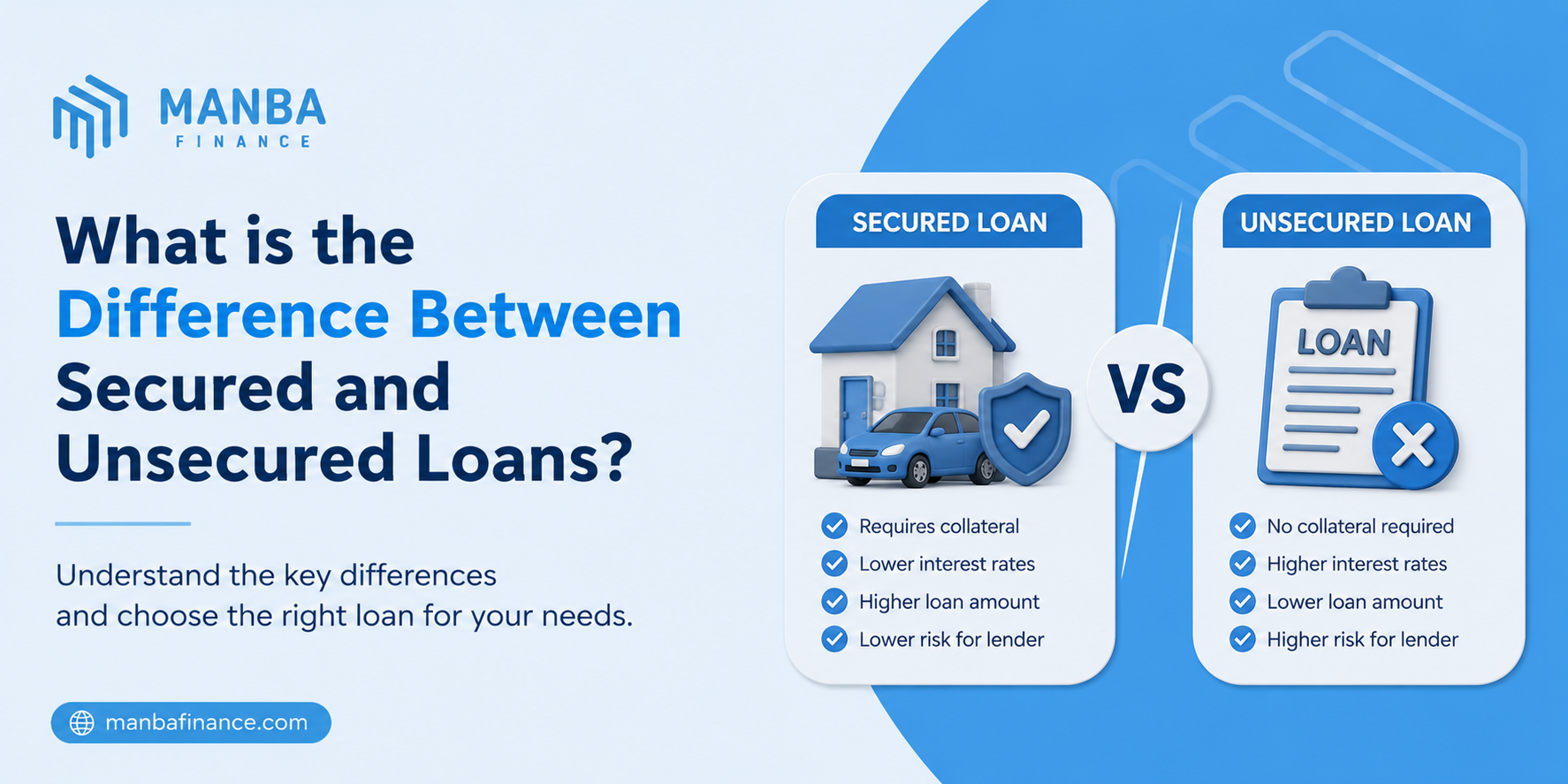
8. Consider a Secured Credit Option
If your CIBIL score has taken a significant dip, you will have to rebuild trust with lenders, and the only way to do it is to show repayment discipline and stability. This is possible by applying for a secured credit option.
A secured credit option is backed by a deposit or some form of collateral, which reduces the lender’s risk. Due to this, lenders are willing to extend credit to those who are in the process of rebuilding trust and enhancing their profile.
Secured credit options are not about borrowing money; it is more about rebuilding trust in a responsible and methodical way. If used sensibly, it can showcase repayment ability, give confidence to lenders and in this process, raise your credit score gradually.
Remember, behavioural rebuilding, not access, is the key takeaway of secured credit.
9. Become an Authorized User
Becoming an Authorized user on another person’s well-managed credit account is an assured way of getting on the path to credit recovery. An authorized user is added to a primary cardholder’s account. This can influence your credit profile positively if the primary account has a good repayment history, a lengthy credit history and low utilization. However, this can work only if the primary account holder maintains discipline throughout.
10. Build a Positive Credit Pattern Quickly
Improving your CIBIL score isn’t a single action. One has to create a predictable, positive pattern of credit that can help build trust with the lenders. Following a structured 30-day behaviour framework can provide much-needed momentum as these disciplined actions can enhance your profile with immediate effect.
Week 1: Review your Credit Report & Dispute Errors
Understand your current position before fixing anything:
- Get your latest CIBIL report.
- Check for duplicate accounts if any.
- Check if any incorrect late payments are levied.
- Verify if closed accounts are mentioned correctly.
- Scan the report for any unauthorized enquiries.
Outcome: Laying a clean foundation
Week 2: Reduce Outstanding Balances
High credit utilization is a sure-fire sign of dependency. It reduces creditworthiness even if you pay on time. Here’s what to do:
- Reduce the usage of credit cards.
- Make payments towards revolving credit balances.
- Avoid making minimum due payments.
- Prioritize high-usage accounts.
Outcome: Show better financial discipline
Week 3: Stabilize payment behaviour
How to do that:
- Clear all pending EMIs.
- Ensure auto-debit for all payments.
- Do not miss any payments.
- Ensure enough bank balance is maintained.
Outcome: Build predictable credit behaviour
Week 4: Do not apply for new credit
Avoid the following:
- Fresh loan applications
- Multiple credit card applications
- Pre-approved borrowing
- Frequent eligibility checks
Outcome: Portraying financial maturity
11. How Much Improvement Can You Expect?
Set realistic expectations. A jump from 500 to 700 is not impossible, but rare unless a lot of reporting errors are rectified. However, an increase of 30 to 100 points is possible if the following steps are taken:
- Major reporting errors are corrected.
- Repayment is stabilized.
- Discrepancies are reported and removed.
- Credit utilization is reduced.
Choose progress over perfection. You may be taking small, confident steps towards your goal, and this may lead to a minimal increase in your CIBIL score, but that’s ok. Lenders need positive, stable credit behaviour. Once this is in place, eligibility thresholds will increase and so will loan probability.
12. When to Apply for a Loan After Improving Your Score
Timing is critical. Apply for a loan only if you notice positive signs, or the entire effort will go to waste.
Are the answers to the following questions in the affirmative?
- Have you paid on time for the past 3-6 billing cycles?
- Is credit utilization below controlled levels?
- Is all outstanding debt stable?
Financial institutions like Manba Finance understand growing credit profiles and emphasize structured assessment rather than rigid scores. This makes them perfect credit partners for recovery-stage borrowers.
13. Pro Tips to Keep Your Score Rising
- Monitor your credit frequently.
- Stay within comfortable borrowing limits.
- Maintain the right credit mix balance.
- Stay away from tempting offers and impulsive purchases.
- Give priority to long-term stability.
Conclusion: Your Credit Comeback Starts Today
Your low CIBIL score is a reflection of your credit behaviour and hence can change when corrective action is taken. This can happen through discipline and patience. If you do not reach a CIBIL score of 700 within 30 days, you have at least laid the foundation for strong financial decisions and credibility.
“Check your eligibility with Manba Finance and explore loan solutions designed for evolving credit profiles.”